



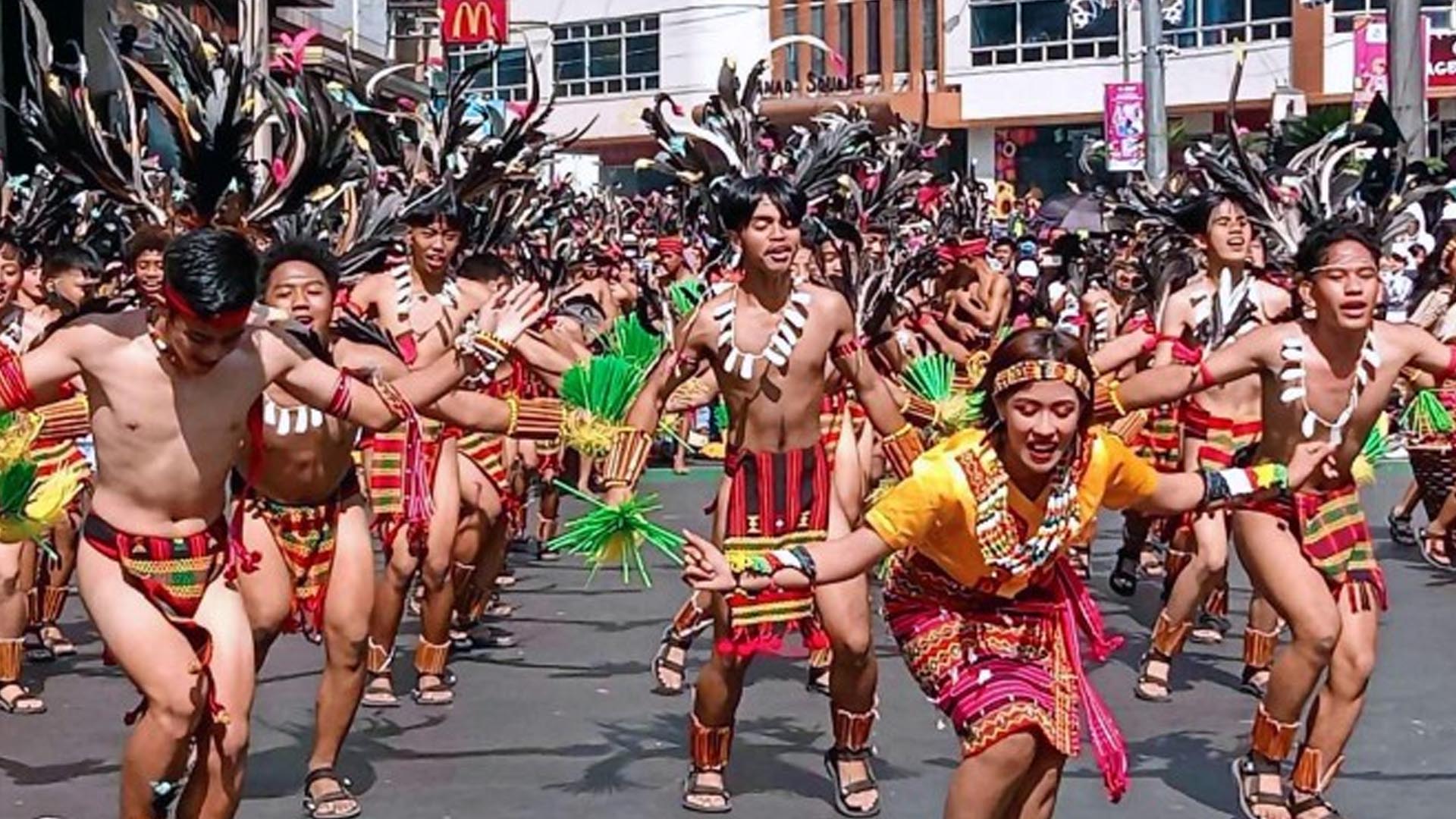







May as National Heritage Month is the perfect time for Filipinos to honor the country’s rich cultural legacy and embrace their shared responsibility in preserving it for future generations.
“It is a perfect time to pay homage to the rich legacy of the Filipino people, for our forebearers have given us countless traditions in various forms that we could be proud of,” Senator Loren Legarda, who chairs the Senate Committee on Culture and the Arts, said in a news release Tuesday.
Legarda said National Heritage Month, through Presidential Proclamation No. 439 signed in 2003, is a reminder that the country’s past provides valuable lessons and a path forward.
The proclamation encourages public consciousness and support for preserving both tangible and intangible heritage.
“We are thankful that there are a lot of things that we could be proud of as Filipinos – – among them is our cultural heritage. Not only do we have historic sites, but also literature, music, and food, which complete the satisfaction of our five senses,” she said.
Legarda also cited the passage of the Cultural Mapping Act, which mandates all local government units to document cultural properties in their respective areas and contribute to the Philippine Registry of Cultural Properties (PRECUP), a centralized database for safeguarding the nation’s heritage.
She said the act aims to strengthen awareness of cultural sites, practices, and legacies, and to ensure they are passed down to future generations. (PNA)