



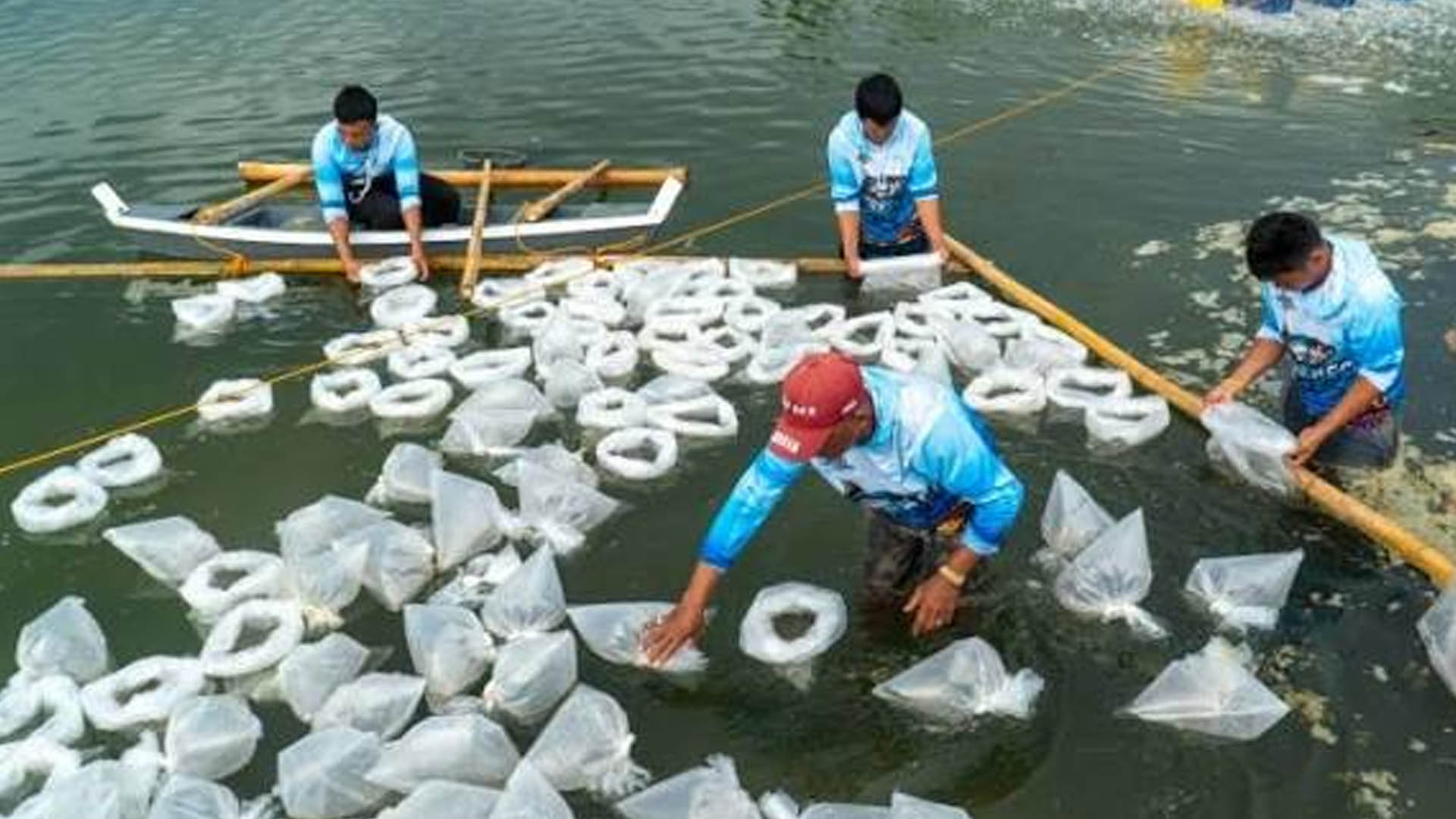







A research project that aims to assist farmers in improving their productivity and ensuring the sustainability of whiteleg shrimp (penaeus vannamei) farming is ongoing at the brackish water station of the Southeast Asian Fisheries Development Center Aquaculture Department (SEAFDEC/AQD) in Dumangas, Iloilo.
The study aims to determine the effects of two stocking densities on shrimp growth, survival, production performance and profitability and assess whether they can be cultured successfully within a shorter production cycle using high-density polyethylene (HDPE)-lined ponds, the SEAFDEC/AQD said in a news release on Thursday.
SEAFDEC/AQD chief Dan Baliao said the research is expected to generate practical information on the performance of whiteleg shrimp under intensive culture conditions in HDPE-lined brackishwater ponds.
“We want to give farmers more guidance on improving productivity and profitability, while ensuring the sustainability of shrimp farming,” he said.
Currently, one million whiteleg shrimp postlarvae are stocked in four ponds at the Dumangas brackish water station since June 22.
Two ponds were stocked with 50 postlarvae per square meter while two other ponds were stocked with 30 postlarvae per square meter, all prepared with good aquaculture practices.
They were disinfected, provided with bird scare devices, foot baths and other biosecurity features to help reduce disease risks during culture.
The shrimp postlarvae were also screened for diseases prior to stocking and will be regularly tested using polymerase chain reaction. (PNA)