



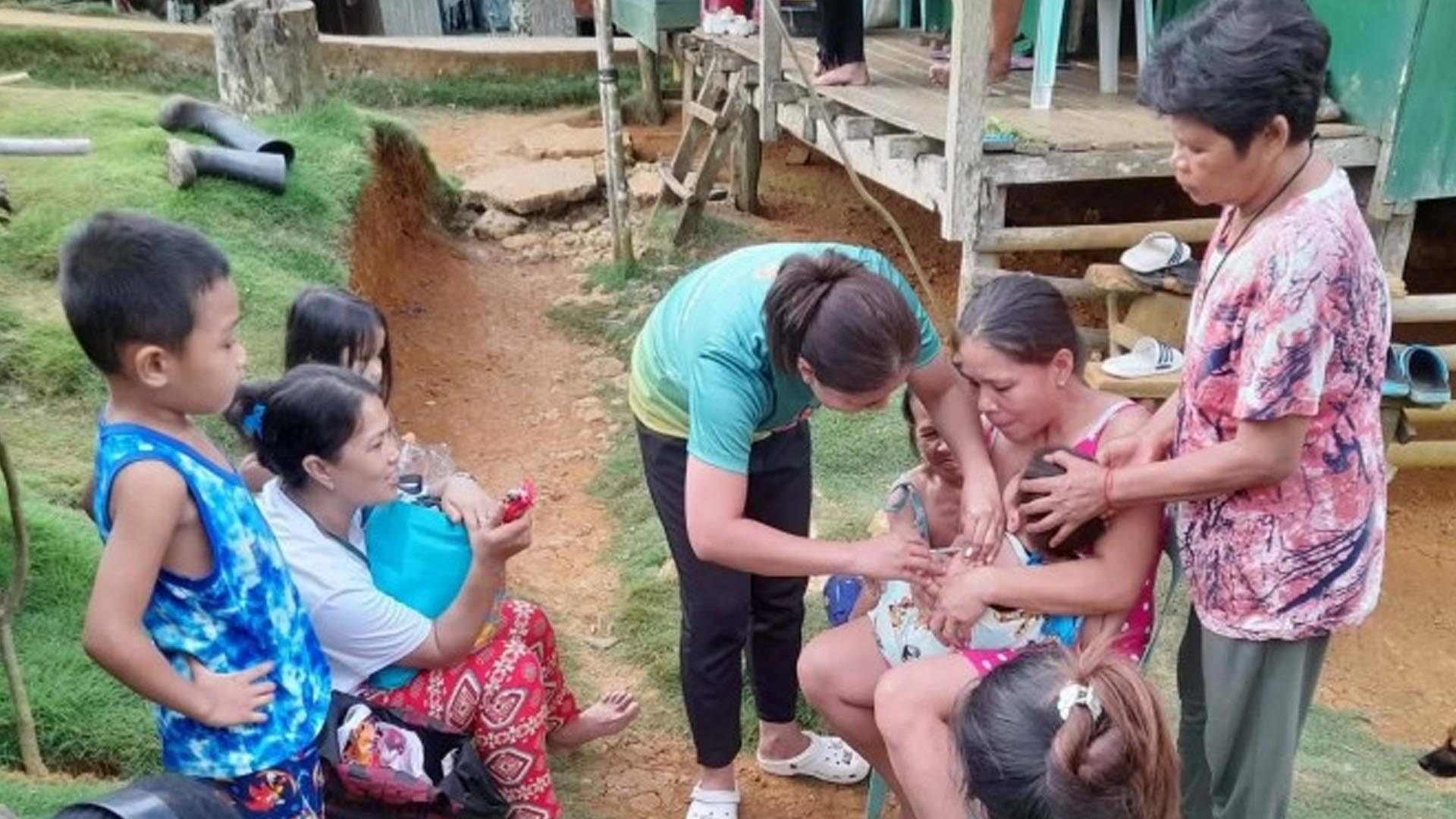







A total of 279,973 children in Eastern Visayas have been vaccinated against measles and rubella, bringing the region’s coverage to 96.5 percent during the month-long activity, the Department of Health (DOH) regional office here said.
In a report released Monday, the DOH field office here said the vaccination rate was achieved during the month-long measles-rubella supplemental immunization activity (MR-SIA) across the region’s six provinces and highly urbanized city from Aug. 10 to Sept. 4 this year.
“Each percentage reflects the continuous effort to bring vaccination closer to every child in the community,” the DOH said in a statement.
Of the total vaccinated children, 109,221 came from Leyte province, 60,099 from Samar, 35,613 from Eastern Samar, 33,459 from Northern Samar, 13,273 from Tacloban City, 11,536 from Southern Leyte, 9,190 from Biliran and 7,582 from Ormoc City.
The campaign, which also includes Vitamin A supplementation, aims to reach children aged 6 to 59 months regardless of their previous immunization status.
The total vaccinated represents 96.5 percent of the 290,122 actual target population in the region, according to DOH.
“The 96.5 percent regional coverage is a result of the continuing efforts to bring measles-rubella vaccination services closer to communities. We are grateful for the support of our local government units,” the DOH stated.
The DOH emphasized that measles-rubella vaccines have been used for more than 50 years to protect communities from the highly contagious diseases and their potentially serious complications.
Free vaccination of children against measles and rubella will continue in rural health centers and government hospitals, according to DOH. (PNA)