



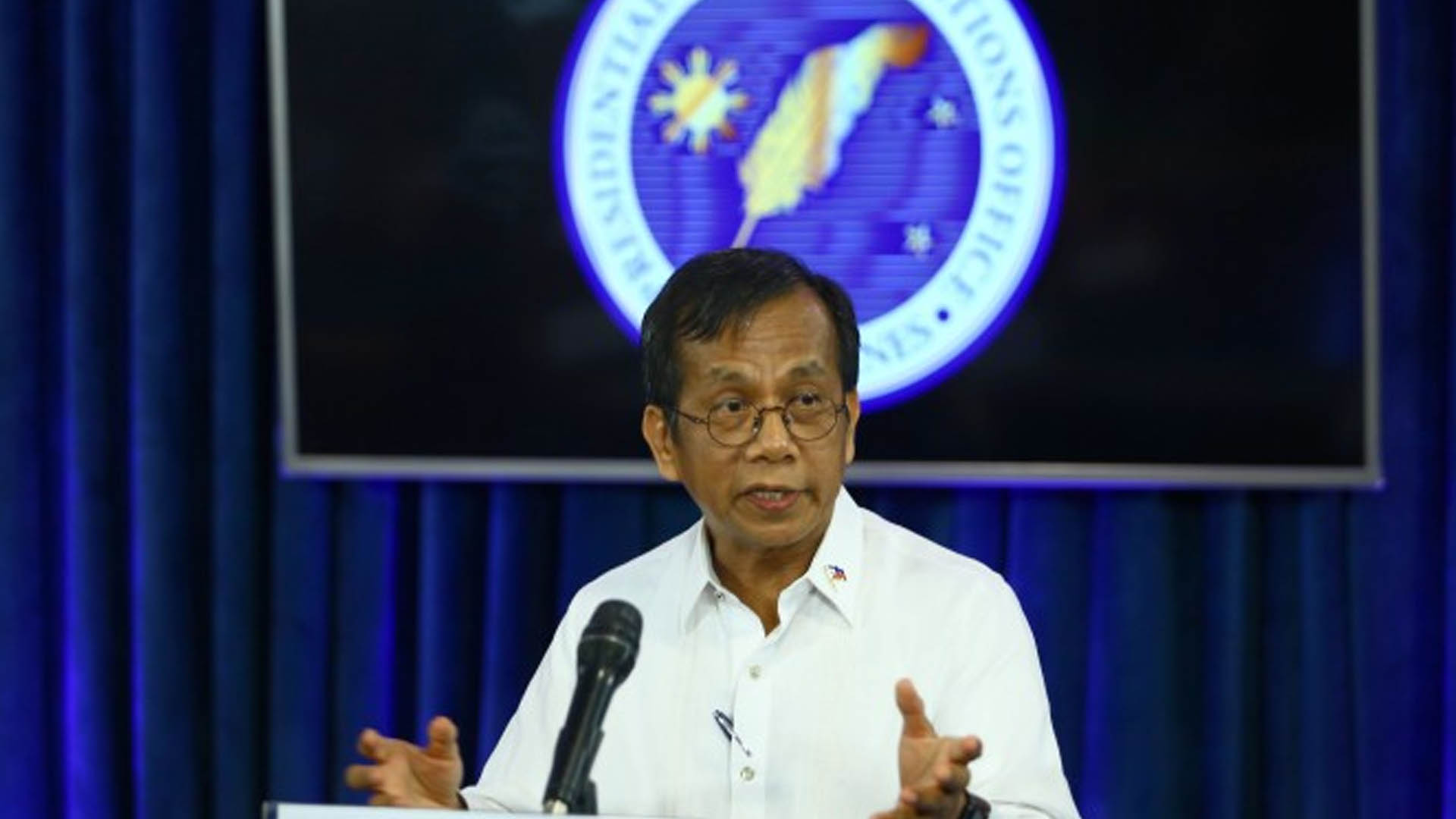







National Economic and Development Authority (NEDA) Secretary Arsenio Balisacan on Monday assured that the government has flexibility to review and tweak rice tariff depending on changes in the economic environment.
“It’s already in the EO signed by the President, ‘di ba, that there is a periodic review. Anytime naman if there are circumstances, there are special changes in the economic environment, dapat ‘yung mga policies natin may flexibility (It’s already in the EO signed by the President that there is a periodic review. Anytime there are circumstances, there are special changes in the economic environment, our policies should have flexibility),” Balisacan told reporters at the sidelines of the World Bank’s Philippine Human Capital Review report launch at the Ascott Hotel in Bonifacio Global City.
Balisacan was pertaining to Executive Order No. 62 recently issued by President Ferdinand R. Marcos Jr.
EO 62 ordered the modification of tariff rates on various products to ensure continuous supply of goods and to protect the purchasing power of the Filipino people.
Under the EO, the rice tariff was reduced from 35 percent to 15 percent until 2028.
The lower rice tariff are expected to reduce rice prices by PHP6 to PHP7 in the coming months.
Officials of the Department of Agriculture, however, earlier called for a quarterly review of the rice tariff.
Balisacan said tariffs need to be reviewed especially if there are drastic changes in the economic environment.
“If they are no longer, as I said, if the situations have changed, economic situations, they should be reviewed,” he said.
“As I said, if [the] situation changes, we must have, the government must have that flexibility to re-examine its tools. If the tools have become already quite dull for a particular event, then you have to, be able to, to change those tools,” he said.
“That’s what a dynamic economy is all about. If you cannot adjust, if you cannot navigate major changes around us, because you are so constrained from all your policy tools, then you will not be able to survive a major shock.”
Balisacan said the country also has a system, under the comprehensive tariff reform program, which calls for a review of the tariff structure every five years.
“Our tariff structure should be consistent with the rest of ASEAN. Kasi member [tayo] of the economic community (We are a member of the economic community),” he said. (PNA)