



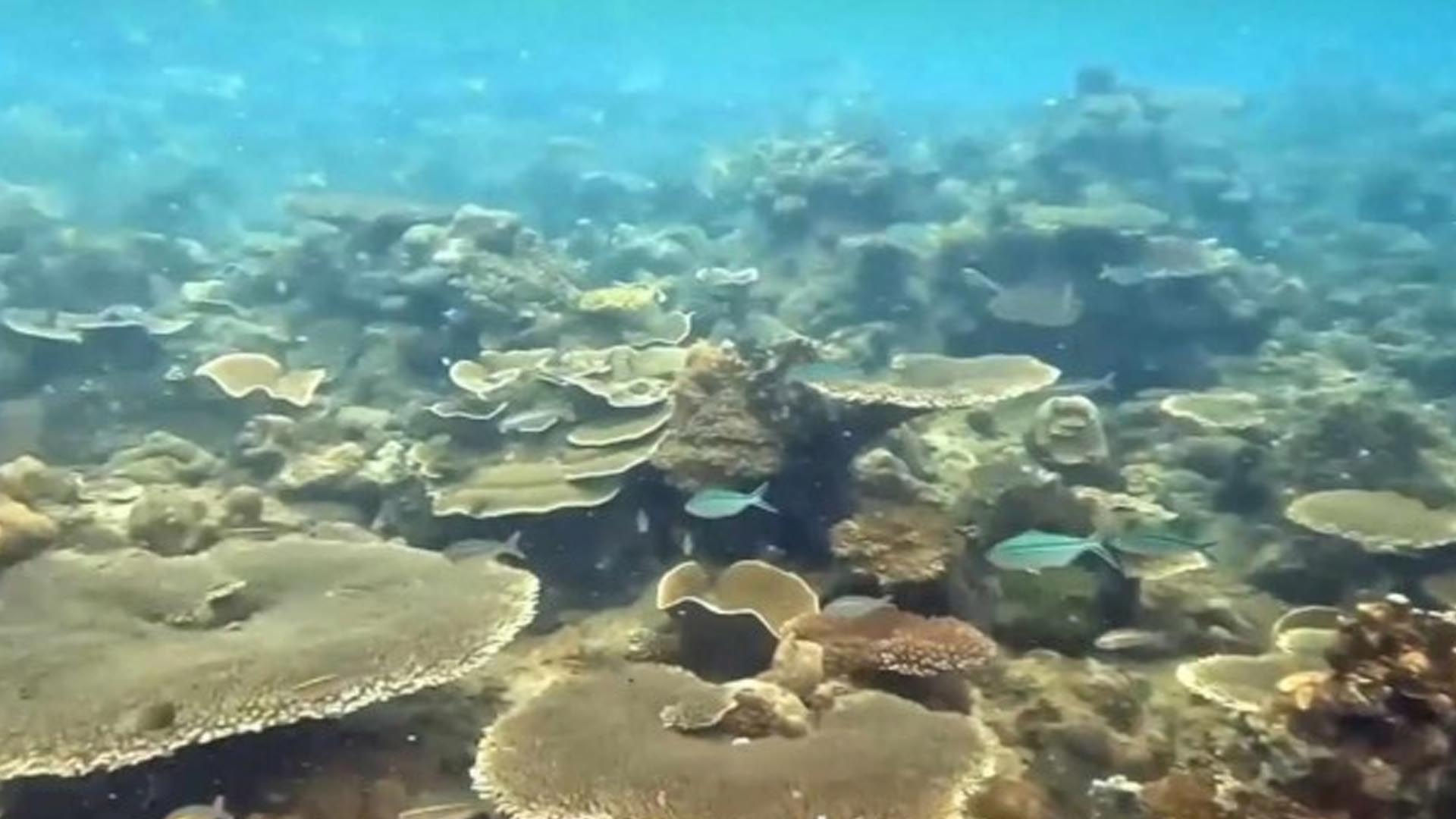







The local government unit of Palo in Leyte will develop the Binangalan Reef Fish Sanctuary (BRFS) into a tourist destination as a recent dive assessment showed thriving marine life in the area.
Mayor Remedios Petilla said at least seven different types of coral species are growing in the area based on the Bureau of Fisheries and Aquatic Resources assessment.
BFAR divers sighted several marine animals, including sting rays, she said.
“We are planning to develop the area and make it a tourist destination because this kind of site lacks in the northern part of Leyte province, unlike in Southern Leyte. We seldom see sites like this,” Petilla said.
The local government declared BRFS as a marine protected area in Palo town through Municipal Ordinance No. 94-03 approved in 2019.
Research conducted by the University of the Philippines Visayas Tacloban College called “Participatory Resource and Socio-economic Assessment of Leyte Gulf, Matarinao Bay and Maqueda Bay” led by Prof. Jerome Cabansag, recorded live coral cover of the BRFS is at 13.60 percent, which is mostly composed of encrusting (7.10 percent) and massive (5 percent) corals.
Although the reef has not fully recovered yet from the destructions from the past, as a result of illegal fishing and super typhoon Yolanda in 2013, corals started to regrow and various species of fish can already be seen in the area.
“The first thing that we will do is to develop BRFS, to protect it and set delineation for people, especially fishermen to easily identify that they are entering the protected marine protected area,” Petilla added.
The local government will also order local fishery law enforcers to regularly monitor the area.
Petilla said BFAR will assist the local government create measures to fulfill their plan of developing the area. They will also create a tour package that will connect BRFS to other local tourism activities. (PNA)