



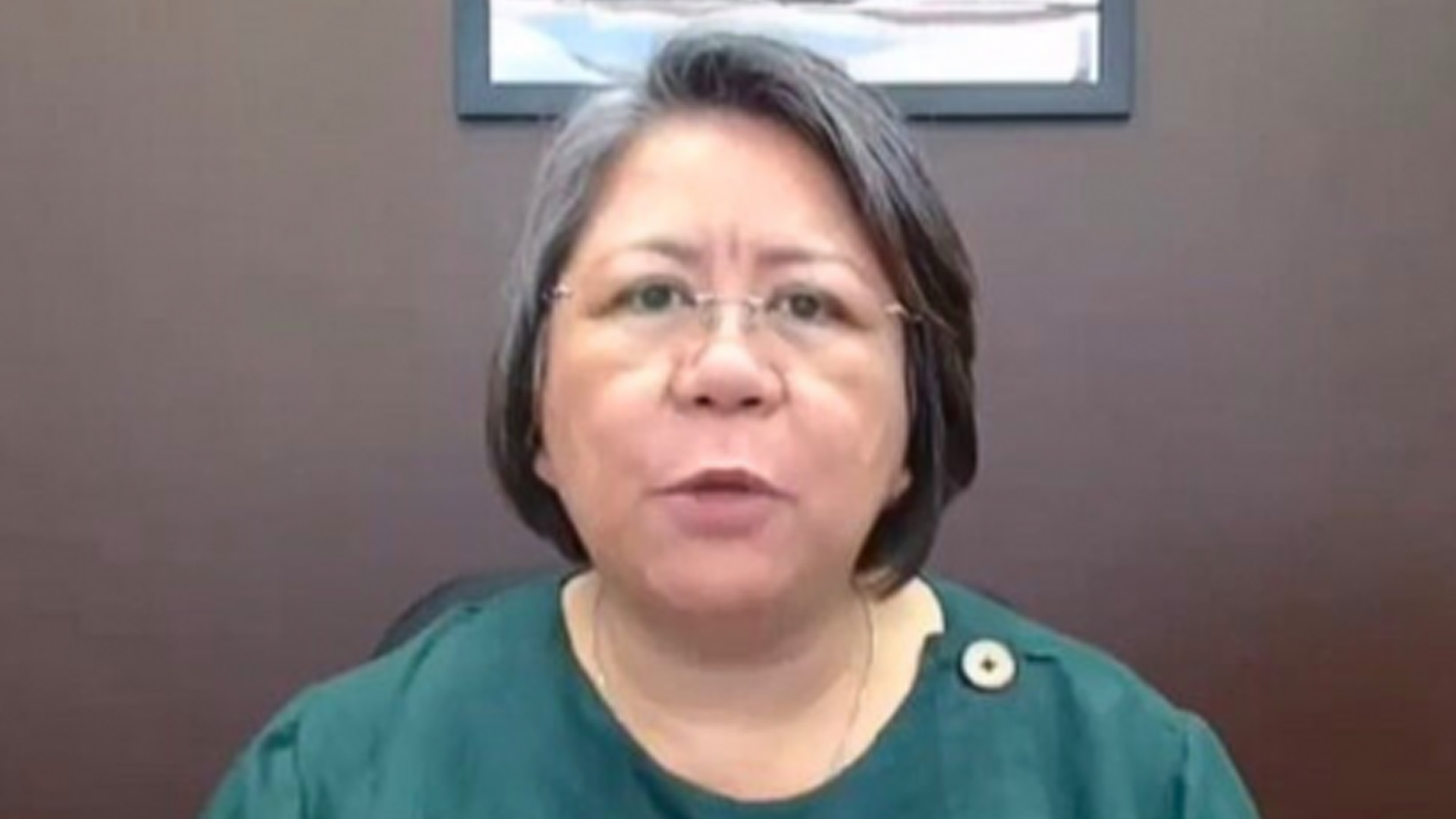







The Philippines has called on oil-producing countries to ramp up their support in the energy transition initiatives of developing countries like the Philippines that become more vulnerable to the impacts of climate change despite contributing less to global emissions.
This was the message of Department of Energy (DOE) Undersecretary Rowena Guevara at the 15th session of the International Renewable Energy Agency (IRENA) Assembly in Abu Dhabi held from Jan. 12 to 13.
“Developing countries are often the most vulnerable to the impacts of climate change, despite contributing the least to global emissions,” Guevara said in her statement during the Assembly on Monday.
“It is essential that those who have historically benefited from fossil fuels now support those who are striving to achieve a sustainable future.”
Guevara shared the Philippines’ clean energy goal of increasing renewable energy (RE) share to the power mix by 35 percent in 2030 and to 50 percent by 2040.
To achieve these targets, the DOE identified six energy transition strategies, which include accelerating RE development and utilization, building a smart and green grid, developing ports for offshore wind, voluntary early retirement or repurposing of coal-fired power plants, energy efficiency and conservation, and decarbonization the transport sector.
Guevara said the Philippines will need 52.8 gigawatts of new RE installed capacity in the next 20 years to hit its RE targets, with investments heavily dependent on the private sector.
This is why the Marcos administration eased restrictions on foreign investments in the RE sector, allowing 100 percent equity in RE projects, she said.
“As a result, applications for service contracts have increased and we now have over 1,400 service contracts for over 150 GW of RE,” Guevara said.
She said building resilient RE infrastructures that can withstand typhoons, earthquakes, and volcanic eruptions is likewise critical in the energy transition.
Aside from these efforts, the government is initiating policies to encourage exploration in the geothermal sector, longer loan period for pump storage hydropower technologies, and considering energy transition trading, she said.
“Energy transition is a shared responsibility, and we must act with urgency, solidarity, and fairness,” she added. (PNA)