



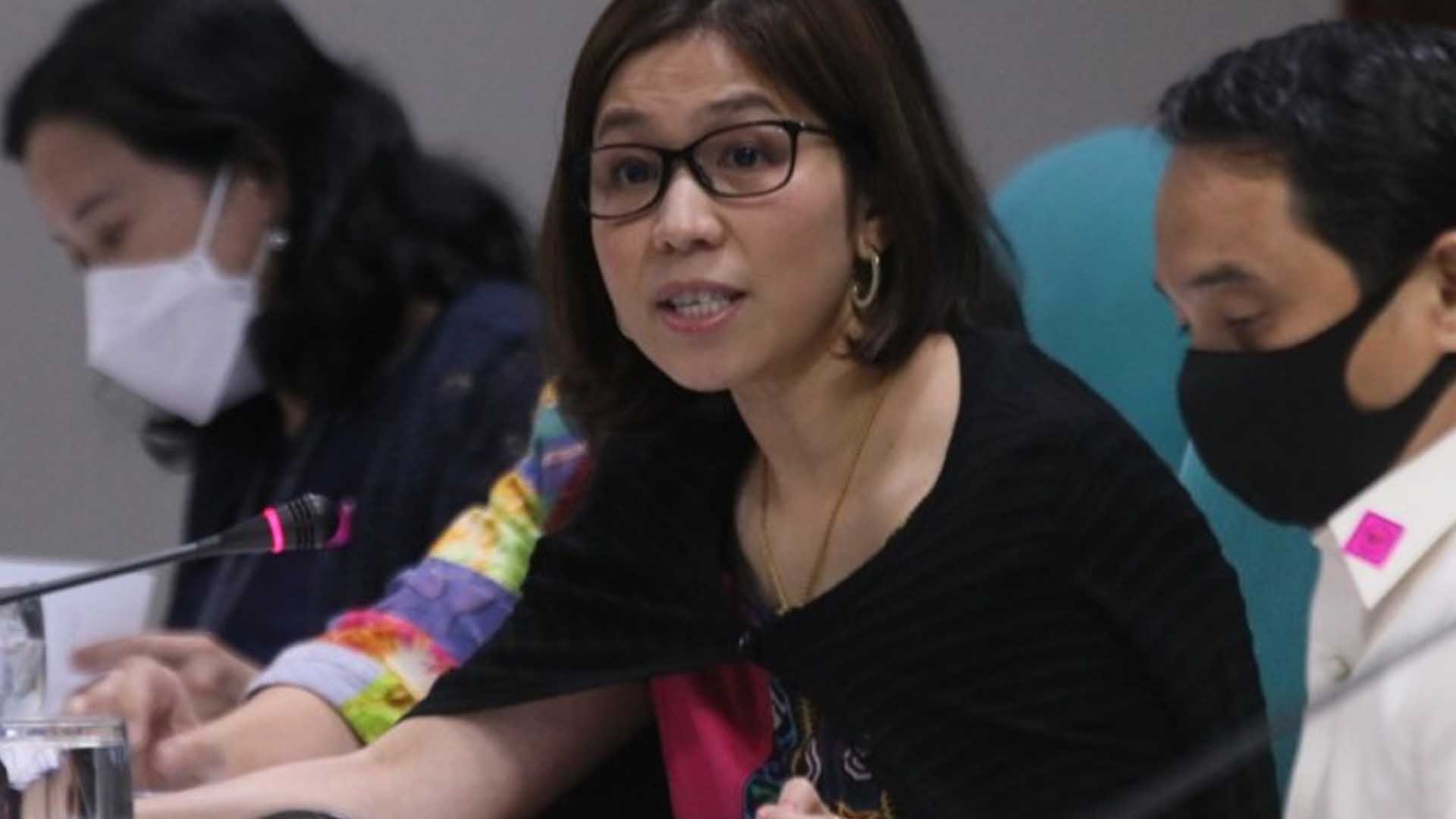







The country’s economic team met with members of civil society organizations (CSOs) in a dialogue to refine the Development Budget Coordination Committee (DBCC) process.
The dialogue held on May 21 was in line with President Ferdinand R. Marcos Jr.’s directive to make the DBCC process more transparent, inclusive, and reflective of the concerns of various stakeholders.
Chaired by the Department of Budget and Management (DBM), the DBCC is composed of the Department of Finance (DOF), the Department of Economy, Planning and Development (DEPDev), and the Office of the President (OP), with the Bangko Sentral ng Pilipinas (BSP) also participating to ensure coherence across the real, fiscal, monetary, and external sectors.
The DBCC is primarily responsible for reviewing and approving the government’s macroeconomic targets, revenue projections, borrowing levels, overall budget ceiling, and expenditure priorities.
It recommends to the Cabinet and the President the consolidated public sector financial position and the national fiscal program.
Organized by the DBM in collaboration with its Budget Policy and Strategy Group and the Philippine Open Government Partnership (PH-OGP), the dialogue aims to strengthen participatory governance and provide a platform for meaningful engagement between civil society and key policymakers.
DBM Secretary and DBCC Chair Amenah Pangandaman, DOF Undersecretary and Chief Economist Domini Velasquez, BSP Deputy Governor Zeno Abenoja, DBM Principal Economist and Undersecretary Joselito Basilio, and DBM Assistant Secretary Romeo Matthew Balanquit served as panelists during the event.
Around 15 CSOs attended the event to share their feedback and policy recommendations, and explore diverse perspectives on emerging economic challenges.
During the dialogue, Pangandaman underscored the significance of CSO engagement in the budget cycle.
She emphasized the administration’s push for budget reforms that prioritize openness and accountability.
The DOF’s role in boosting revenue collection and bringing down the fiscal deficit and BSP’s latest macroeconomic assumptions and monetary policy developments amid the shifting global landscape were also discussed.
The DBCC assured that insights and recommendations of CSOs would be considered in crafting macroeconomic and fiscal strategies. (PNA)