










The Department of Social Welfare and Development (DSWD) in Calabarzon is in the process of distributing PHP9,400 each to 479 residents of San Narciso town in Quezon province as part of a climate resiliency initiative called Project LAWA (Local Adaptation to Water Access) and BINHI (Breaking Insufficiency through Nutritious Harvest for the Impoverished).
In a phone interview on Thursday, Joseph Arceo, DSWD-Calabarzon’s information officer, said the amount is intended for the beneficiaries to invest towards building their own climate change-resistant backyard farms or gardens.
He emphasized that the financial assistance was approved for distribution “only after the participating residents of Barangay San Juan successfully took part in a 20-day cash-for-training program.”
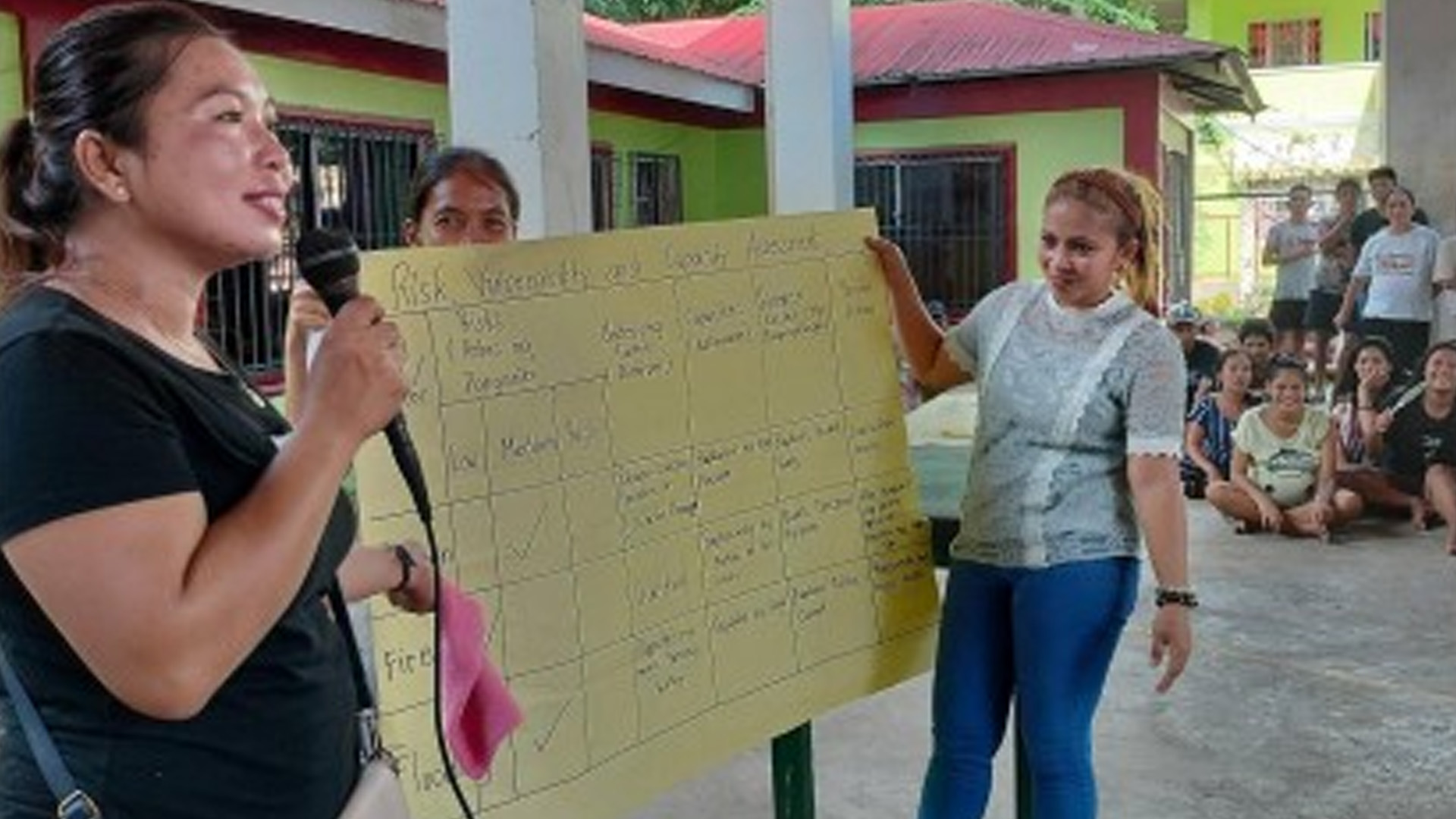
During the training period, participants engaged in a structured program that included three days of training on disaster preparedness and climate change mitigation, followed by 15 days of hands-on work on water harvesting systems and communal gardens.
The program concluded with two days dedicated to project evaluation and assessment of participants’ output conducted by government botanical experts.
“Funding for the cash-for-training aspect came from DSWD, complemented by support from the local government of San Narciso, which provided essential equipment such as pumps, pipes for water systems, and seedlings for community gardens,” Arceo said.
DSWD’s Project LAWA and BINHI aims to empower residents of poor communities to actively participate in disaster risk mitigation and climate change adaptation projects, providing vital skills and a temporary income source for their families. (PNA)