








With chopping boards being essential in almost every recipe, how do I avoid their health risks?
Cross-contamination is the transfer of harmful bacteria and viruses between foods, from food to surfaces, and from surfaces to food. Chopping boards are one of the surfaces that come into frequent contact with our food. Therefore, proper maintenance of chopping boards is crucial for preventing foodborne illnesses.
Implement a Color-Coding System

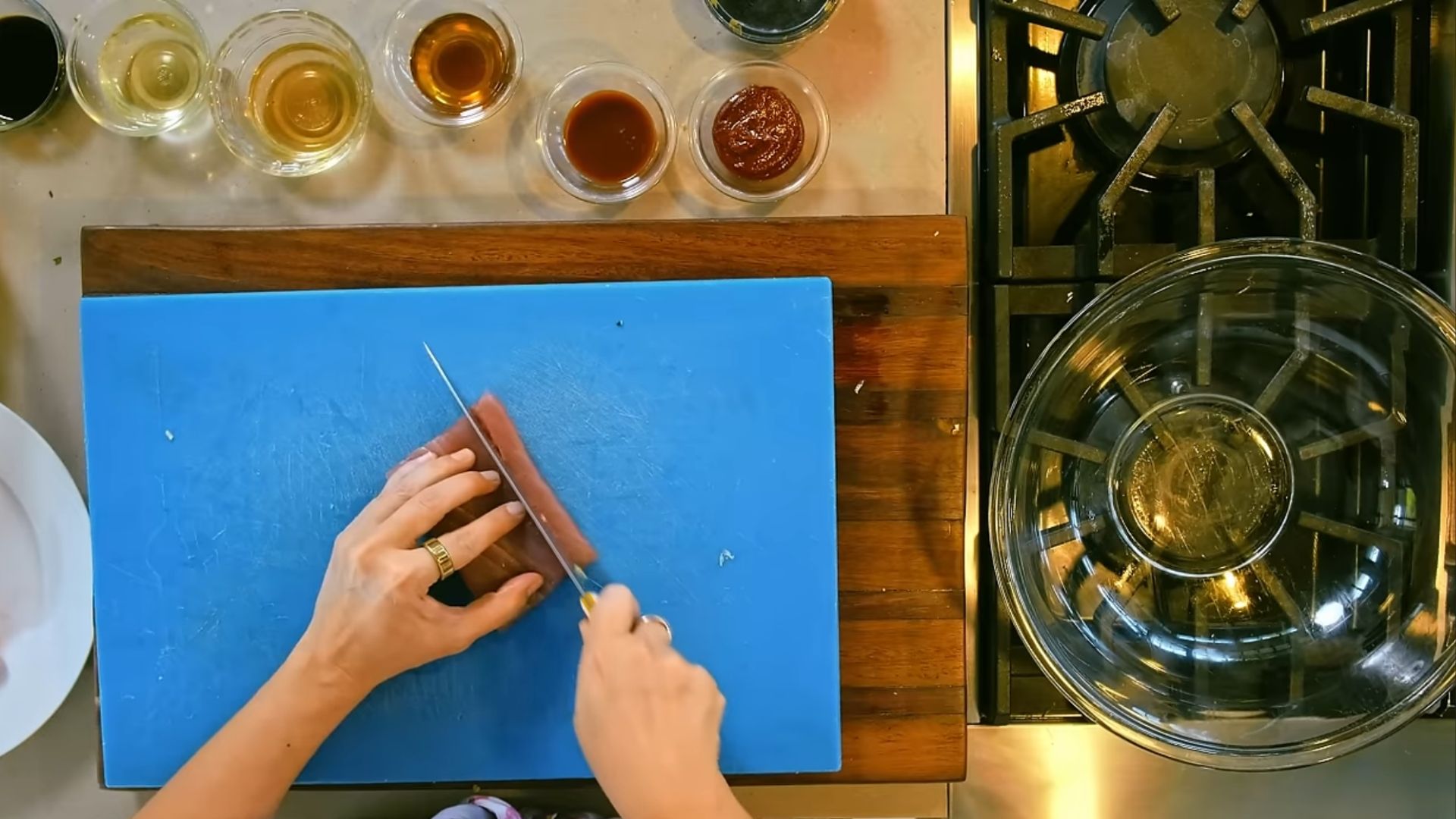
A color-coding system for chopping boards is a smart way to separate the different types of food. It is a method practiced not just in Juday’s kitchen but also in hospitals and restaurants. For Juday, a white chopping board is for dairy, yellow for poultry, green for fruits and vegetables, blue for seafood, red for red meat, and brown for cooked meat.
Rinse Before Use
Chopping boards are versatile—you can use both sides for cutting. Always rinse both sides with water before use to ensure no food residue sticks to what you’re about to cut.
Clean After Use with Lemon and Salt

Since cross-contamination does not end with organizing chopping boards, it is just as important to be cautious during and after their use. Juday warns against leaving the chopping board exposed, especially after cutting poultry, as bacteria can quickly build up and multiply.
While waiting for food to cook, rubbing a used lemon and squeezing its remaining juices across the board will utilize its acidic properties to kill the bacteria. Adding salt will further enhance this sanitation process. You can rinse the board afterward or simply let it dry. Wooden chopping boards can be cleaned similarly, except wipe off the lemon and salt with any edible oil for its coating. Avoid olive oil to preserve food taste!
Label Your Existing Chopping Boards
Color-coding chopping boards is strategic, but buying new ones can be costly. Don’t worry—you can still organize your food with your existing chopping boards! Simply add labels at the bottom or use indicators that help classify different types of food.
Glass Chopping Boards Are Unsafe
Color-coded or labeled, plastic or wooden, new or old—at the end of all the food safety tips, Juday advises against using glass chopping boards. They are prone to breaking, and if this happens, shards of glass could get into the food and be consumed by whoever eats it.