



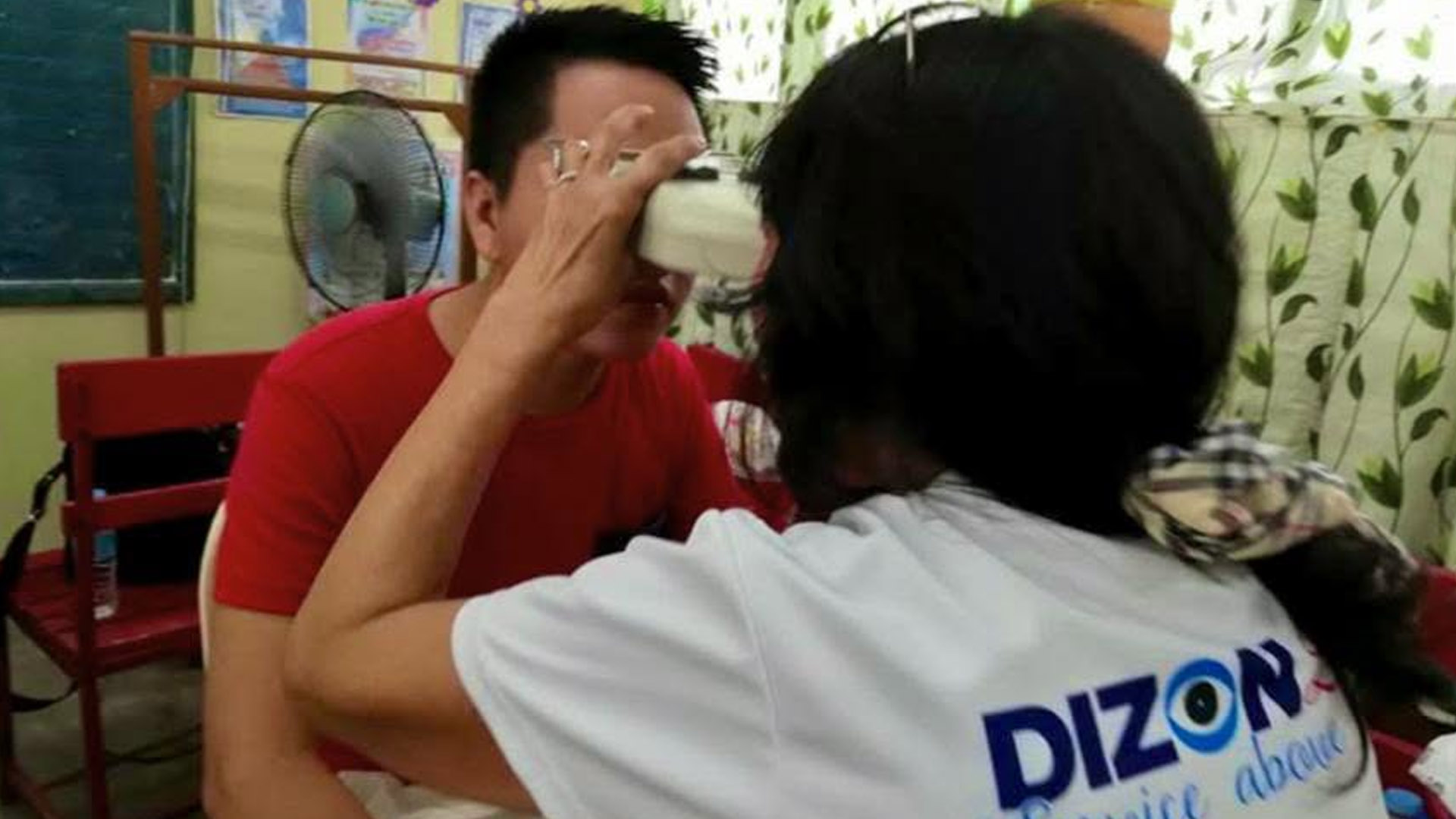







The City Health Services Office (CHSO) has provided eye care services to nearly 2,000 residents in various barangays to promote early detection and prevent vision problems.
City Health Officer Dr. Celia Flor Brillantes said Tuesday that at least 1,947 residents had received community-based eye care services as of August, with 98 referred for further assessment.
“Eye check-up is important to ensure that they receive the proper care, just like any part of the body. We encourage residents of all ages to take advantage of the free basic vision screening services available at the city’s 16 District Health Centers,” Brillantes said in a phone interview.
She said the city government incorporated eye care into its basic health services after the passage of the Eye Health Ordinance and the establishment of the Baguio City Comprehensive Eye Health Team.
The team, supported by local ophthalmologists and optometrists, aims to provide comprehensive eye care to residents.
The program also includes school-based vision screening, with parents encouraged to support early detection of eye problems among children.
“Those found to have problems were referred for further screening to ascertain their condition and provide the appropriate immediate care,” Brillantes said.
Training frontline health workers
To strengthen early detection, the CHSO has conducted orientations for health workers, midwives, nursing students and other participants on identifying common eye conditions and providing primary eye care.
Brillantes said village health workers play an important role as the first point of contact for residents seeking health advice.
“They also get to mingle with the community, and detection plays an important role so that the patients can be referred for further screening and testing and medication or prescription if needed,” she said.
The CHSO continues to train frontline health workers and first responders to recognize potential eye problems, promote proper eye care, and facilitate timely referrals for diagnosis and treatment.
An ophthalmologist from the Benguet General Hospital and Medical Center (BGHMC) earlier said the eye health team had also started orienting teachers to help identify possible vision problems among students.
Cataracts lead causes of visual impairment
Meanwhile, BGHMC ophthalmologist Dr. Aldo Mar Cariaga said during a media forum in October that cataracts account for more than half of visual impairment cases in the Philippines.
Citing data from the Department of Health and the Philippine Eye Research Institute, he said cataracts account for 55.5 percent of cases, followed by refractive errors, including nearsightedness, at 19.9 percent; glaucoma at 14.1 percent; and diabetic retinopathy at 10.5 percent.
Cariaga said an estimated 22.9 million Filipinos, or 1.98 percent of the population, are affected by eye health problems. More than 4 million adults also have undiagnosed eye conditions, he added.
Untreated eye diseases can interfere with daily activities and diminish quality of life, he said.
Cariaga encouraged residents to limit screen time, spend more time outdoors, and undergo regular eye examinations, even without noticeable vision problems.
He stressed that early detection is essential to preventing further vision loss and ensuring patients receive appropriate care. (PNA)