










State agencies have been directed to strictly implement the Government Energy Management Program (GEMP) to save energy and cushion the impact of the ongoing Middle East conflict on domestic oil supply.
In a statement Friday, the Department of Energy (DOE) said the move is also in preparation for the seasonal spike in energy demand during the hot and dry months.
In an advisory issued Wednesday by DOE Secretary Sharon Garin through the Inter-Agency Energy Efficiency and Conservation Committee (IAEECC), government agencies are mandated to “adopt and sustain energy efficiency and conservation (EEC) measures aimed at achieving at least 10 percent savings in energy consumption.”
The measures include activating sleep settings on office equipment, setting air-conditioning unit thermostats at no lower than 24 degrees Celsius, keeping doors of air-conditioned spaces closed, turning off lights and computers during lunch breaks and after office hours, and shifting to energy-efficient technologies such as LED lighting and inverter-type air-conditioning systems.
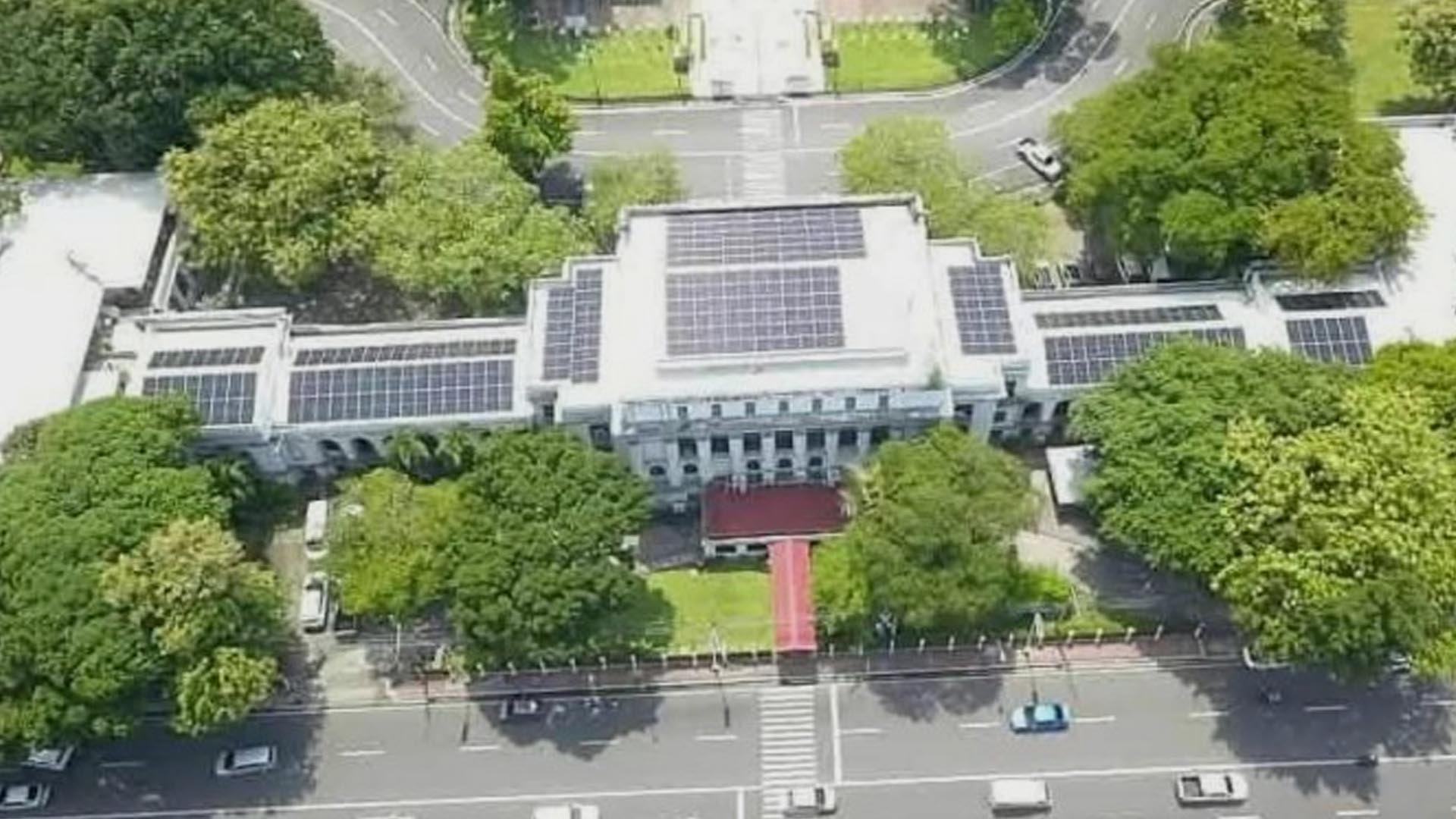
The IAEECC also cited the possible adoption of flexible work arrangements and the use of on-site renewable energy systems such as solar photovoltaic.
“The DOE emphasized that the policy is not only a compliance requirement, but also a concrete demonstration of leadership in promoting responsible and efficient energy use across the public sector,” the advisory reads.
Garin said “government must lead by example in using energy wisely and responsibly, especially during periods of heightened demand and global uncertainty.”
“Through the strict implementation of the Government Energy Management Program, we are reinforcing a culture of conservation in public institutions while helping safeguard the country’s energy security,” she said. (PNA)