



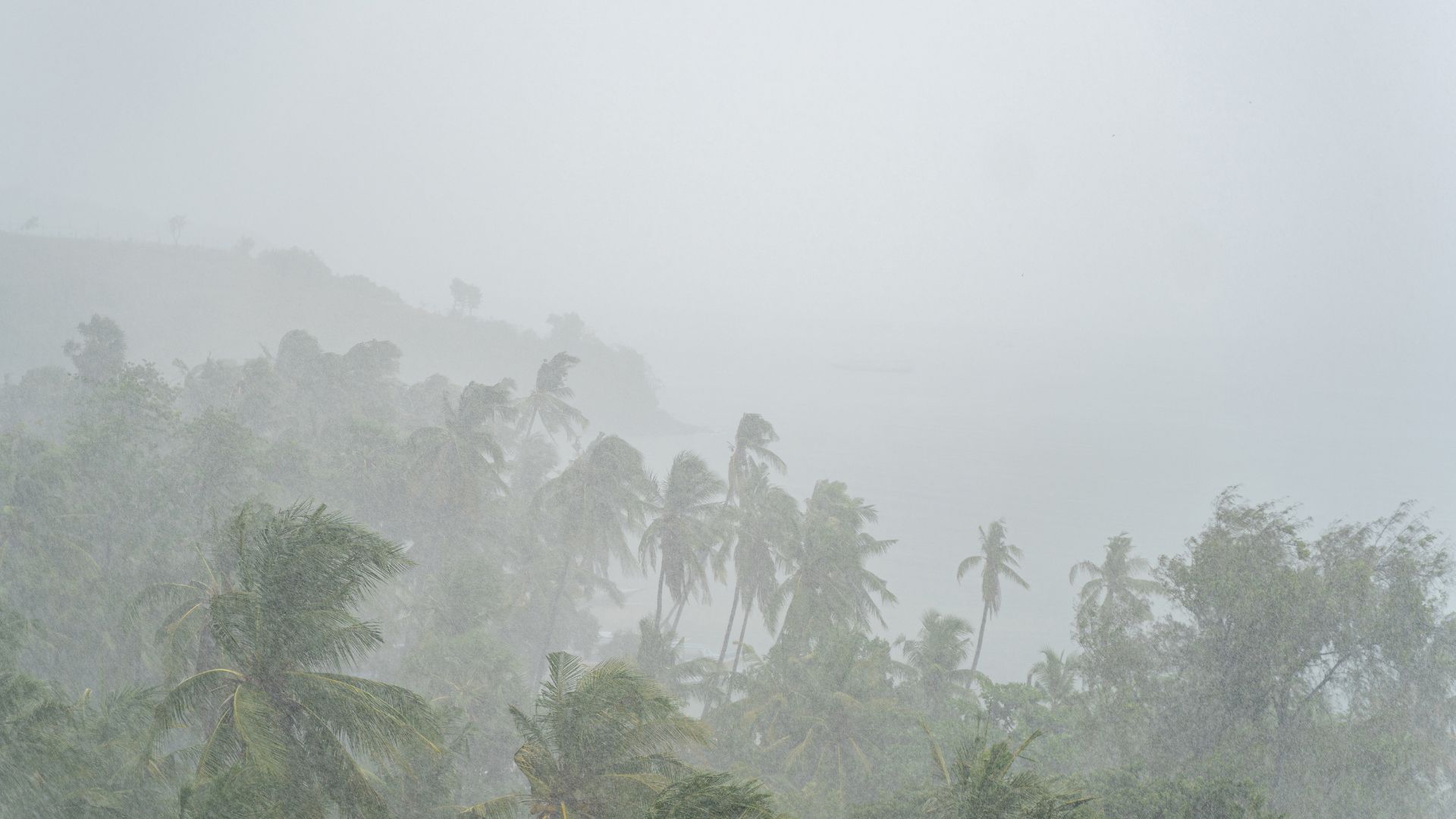







As Super Typhoon Uwan pummels Luzon with destructive winds and torrential rain, the nation is once again reminded of how geography, particularly the Sierra Madre mountain range, has long stood as the Philippines’ first line of defense against nature’s fiercest storms. But while this natural barrier continues to shield millions, its ability to do so is weakening, eroded by decades of deforestation, illegal logging, and unregulated development.
Stretching over 540 kilometers from Cagayan in the north to Quezon in the south, the Sierra Madre slows down and disperses the winds of typhoons that enter through the eastern seaboard. Its forests absorb rainfall, preventing catastrophic floods, while its mountain ridges reduce the force of strong gusts before they reach the heart of Luzon. Yet, each passing year, that protection becomes more fragile.
The Climate Change Commission has long referred to Sierra Madre as Luzon’s natural fortress, noting that it plays a vital role in minimizing the impact of climate-induced disasters. However, this fortress is under siege, not by storms but by people. Deforestation and illegal mining have stripped portions of the mountain range of the forest cover that once acted as a buffer against flooding and erosion.
Super Typhoon Uwan, which brought the highest storm signals to several provinces, serves as a stark warning of what is at stake. The storm’s magnitude, spanning 1,500 kilometers, tested not only the strength of infrastructure but also the resilience of ecosystems that stand between destruction and survival. While the Sierra Madre once again took the brunt of the impact, scientists and environmentalists stress that it can only endure so much without long-term, sustainable protection.
This wake-up call is not new. The call to protect Sierra Madre often resurfaces every time a typhoon looms, but awareness without action leaves the country exposed. Meaningful change requires enforcement of environmental laws, sustainable land use planning, and reforestation efforts that go beyond ceremonial tree planting.
As climate change intensifies and super typhoons become more frequent, the Philippines must look to its geography not only as a blessing but also as a responsibility. The Sierra Madre, Cordillera, and Caraballo ranges are more than scenic landscapes. They are living defenses that keep entire communities safe.