










The Department of Social Welfare and Development’s (DSWD) flagship programs, Project LAWA (Local Adaptation to Water Access) and BINHI (Breaking Insufficiency through Nutritious Harvest for the Impoverished), have been nominated for the United Nations (UN) Sasakawa Award for Disaster Risk Reduction.
The prestigious award from the UN World Food Programme (WFP), with this year’s theme “connecting science to people: democratizing access to innovation and technology for disaster resilient communities,” will recognize efforts by individuals and organizations that has made active efforts to reduce disaster risk in their community and advocates for resilience.
In a statement on Monday, Assistant Secretary Irene Dumlao of the DSWD’s Disaster Response Management Group (DRMG) expressed the department’s gratitude for the nomination.
“As the lead disaster response agency, the DSWD addresses the needs of families and individuals who are affected by sudden disasters. While doing so, we are also mitigating the impacts of slow onset disasters through the implementation of the Project LAWA and BINHI,” Dumlao said.
She said the WFP nomination is a product of the “whole-of-nation collaboration” between different stakeholders, the national government, local government, community-based organizations, and down to the beneficiaries themselves.
“This partnership is what makes the Project LAWA and BINHI one of the biggest climate mitigation and adaptation programs in the country, benefitting more than 140,000 households,” she added.
The Project LAWA and BINHI programs focus on climate change adaptation and disaster risk resilience.
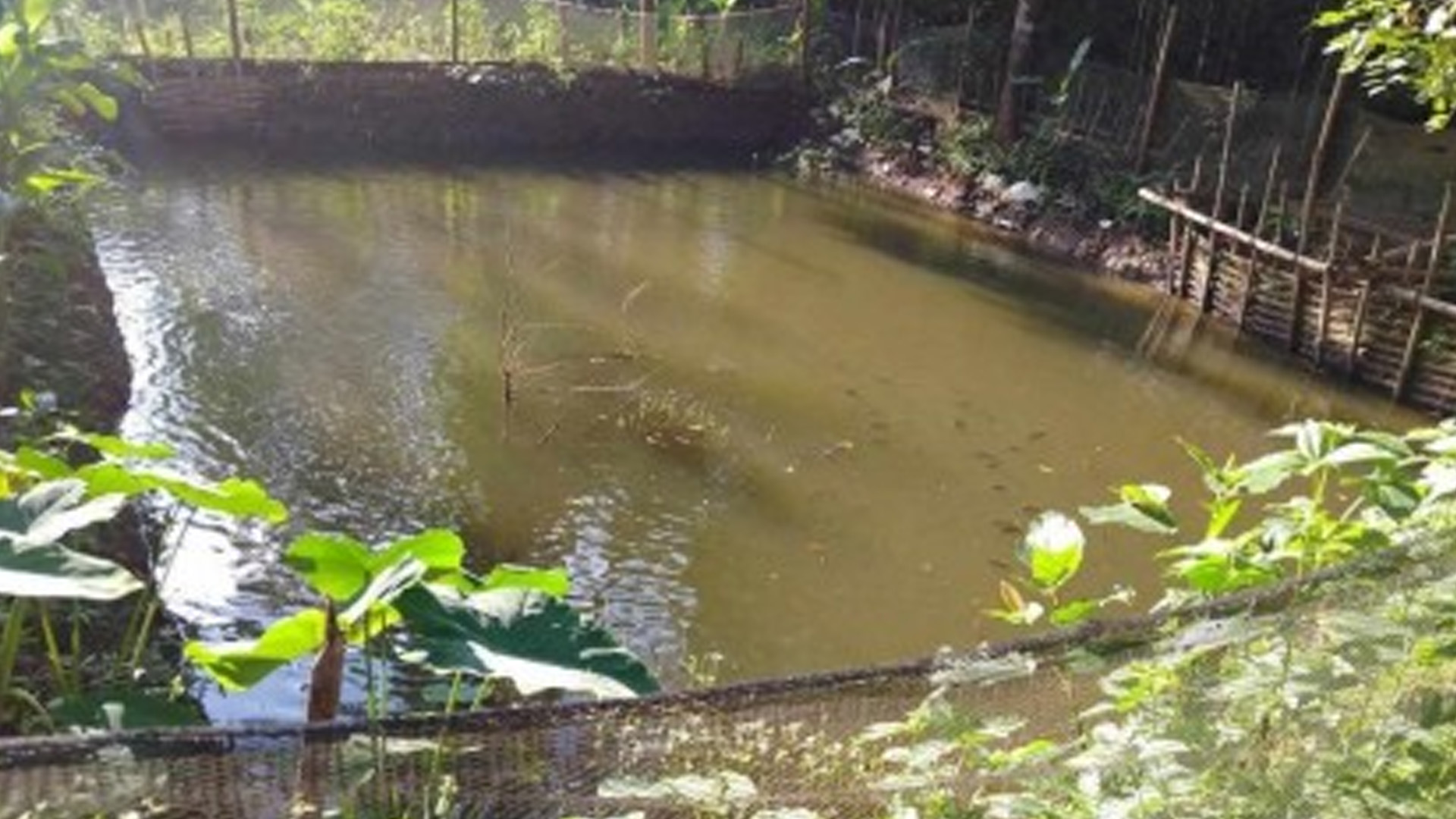
“It lessens the economic vulnerability of marginalized communities through the creation of small farm reservoirs that serve as water harvesting facilities and the establishment of communal diversified integrated farming systems to promote sustainable agricultural practices across the nation,” Dumlao said.
Since the project’s launch in 2023, a total of 1,932 LAWA sites or water reservoirs were able to cater to over 7,234 hectares of agricultural land by providing irrigation and water support to target communities.
A total of 4,317 BINHI sites or gardening projects were also established in the same period, yielding 21,024,130 kilos of produce that helped feed more than 876,200 individuals.
A short list for the Sasakawa Award will be posted on April 30, and the winner or winners will be announced on June 5 at the Global Platform for Disaster Risk Reduction.
The jury will be assessing candidates on the following criteria: relevance to the Sendai Framework for Disaster Risk Reduction; demonstration of leveraging science and technology to build community resilience; degree of innovation and sustainability; coherence between sectors, groups, communities and practitioners; and potential for scaling up. (PNA)