



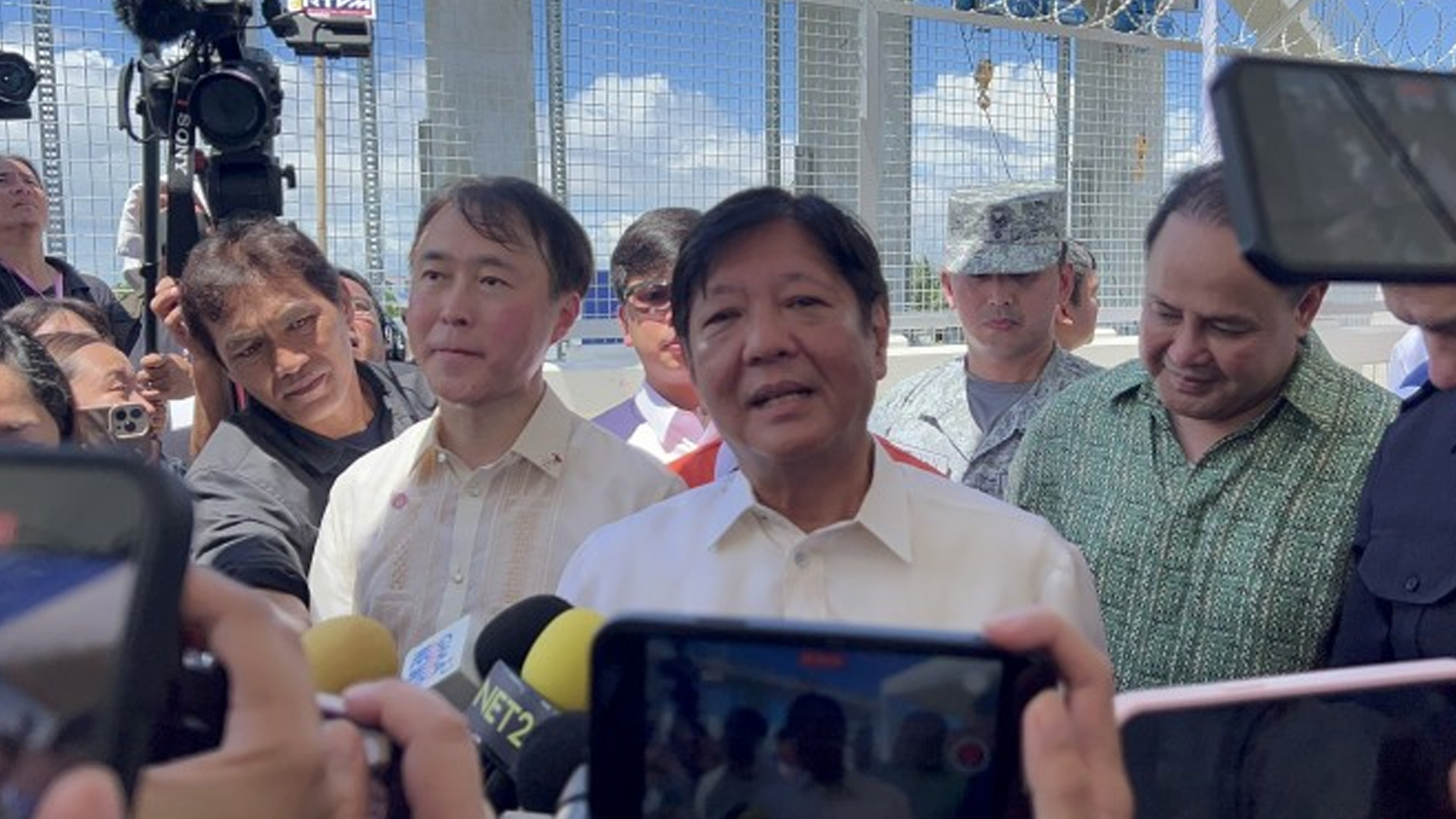







President Ferdinand R. Marcos Jr. on Wednesday called for the immediate passage of the proposed “Waste-to-Energy Bill” to help mitigate flooding in the country.
Marcos made the call during the 6th Legislative-Executive Development Advisory Council (LEDAC) meeting with Senate President Francis “Chiz” Escudero, House Speaker Martin Romualdez, and some Cabinet members at the Malacañang.
“We have to look at it in a more urgent sense because it really becomes such an important part of the flood control program,” President Marcos said, as quoted by a Presidential Communications Office (PCO) news release.
The Waste-to-Energy Bill was approved on the third reading by the House of Representatives. Its counterpart bill is still pending for a second reading at the Senate.
During the meeting, the President cited the need to revisit the proposed measure, noting the waste-to-energy measure is an important discussion in flood control “because the garbage problem is actually severe.”
Marcos said the waste-to-energy projects have also reduced flooding by 40 percent. It has to be implemented at the local government level, he added.
“I think waste-to-energy now has taken on a new role. It is no longer just for garbage, or waste disposal or waste management. It is also now very much part of the flood control effort,” Marcos said. (PNA)