



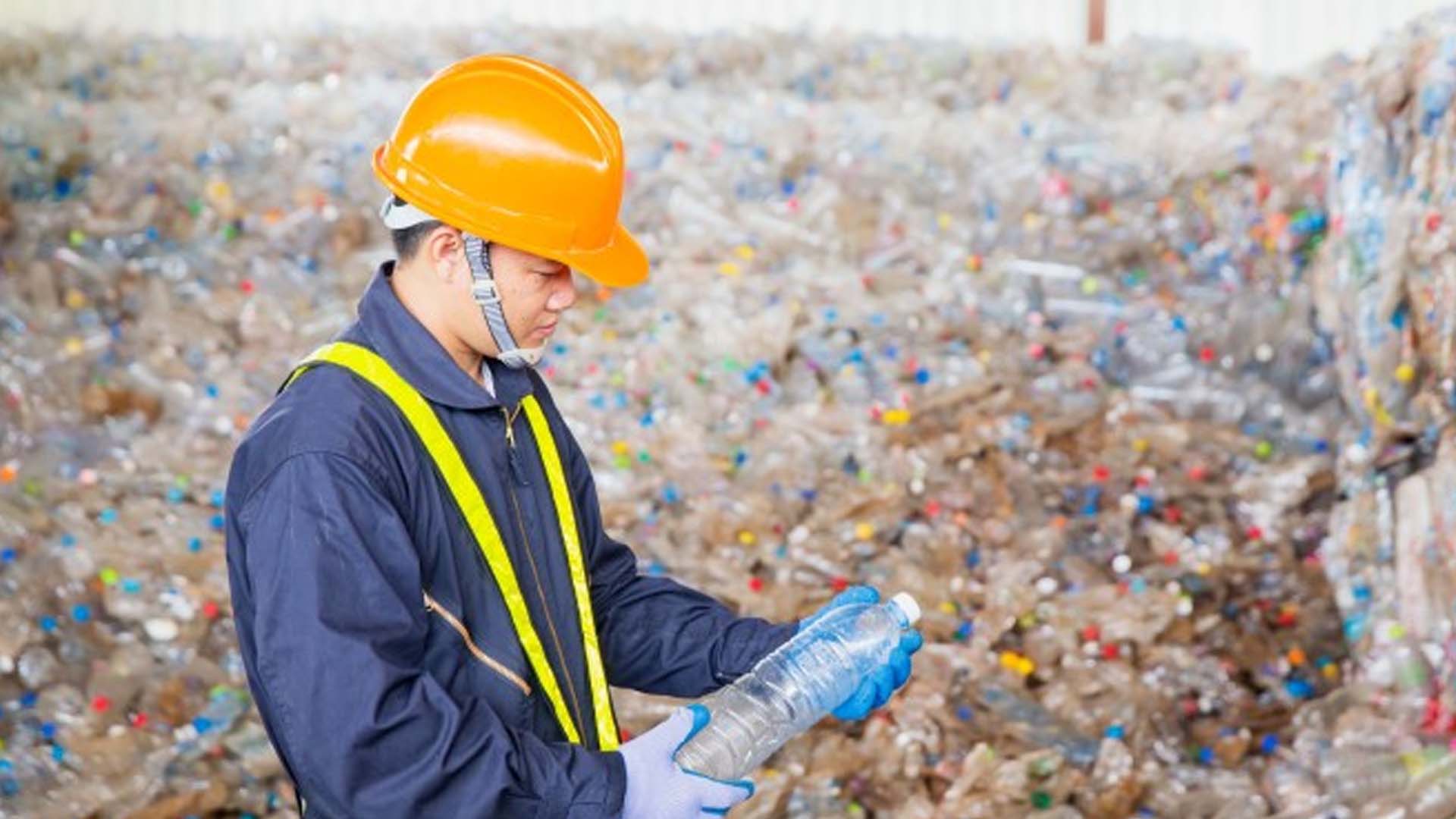







Plastic waste is classified as one of the largest threats to the ecosystem in all its forms due to its negative impact on soil and agricultural crops, as well as its role in the extinction of millions of terrestrial and marine species, thereby threatening global food security.
A recent report by the Switzerland-based non-profit EA Earth Action estimates that 220 million tonnes of plastic waste will be produced globally in 2024.
The Environment Agency – Abu Dhabi (EAD) has emphasized that plastic waste significantly affects marine life through ingestion by marine creatures or entanglement in plastic debris.
Additionally, the breakdown of plastics in sea water forms toxic chemicals that adversely impact human health through seafood contamination.
The agency highlighted that the greatest challenge comes from single-use plastics such as bags, bottles, and utensils, which persist for long periods as various types of waste in marine and terrestrial environments. These plastics break down into small particles known as microplastics (pieces less than 5mm in size), which enter the human body primarily through food, as well as through skin contact or inhalation.
Regarding the ban on plastic products, the agency indicated that there is no general ban on plastic products since many of them are irreplaceable. The ban specifically applies to plastic bags and certain single-use styrofoam products.
In 2020, the agency called for a reduction in the use of single-use plastics and non-plastics that can be avoided by promoting a culture of reuse and recycling, and encouraging the use of reusable alternatives with less environmental impact.
The agency implemented several campaigns to enforce the ban on plastic materials in June 2022, launching the community campaign “Mission to Zero initiative for single-use plastic” to achieve zero waste from single-use plastics and zero carbon emissions, without significantly impacting biodiversity.
The campaign aimed to encourage Abu Dhabi residents to switch to sustainable and eco-friendly alternatives, such as reusable materials, reduce reliance on single-use items, and minimize waste.
Imad Saad, an environmental expert, said plastics have become an integral part of the people’s daily lives, with indispensable benefits, but also many negative aspects that must be addressed.
He added plastic waste is one of the most dangerous pollutants on Earth due to the non-biodegradability and recycling challenges of most plastics. It is a major cause of death for many terrestrial mammals and livestock, such as camels, cows, and sheep.
He cited statistics from the Ministry of Climate Change and Environment indicating that 50 percent of camel deaths in the UAE are caused by plastic bags. (PNA)